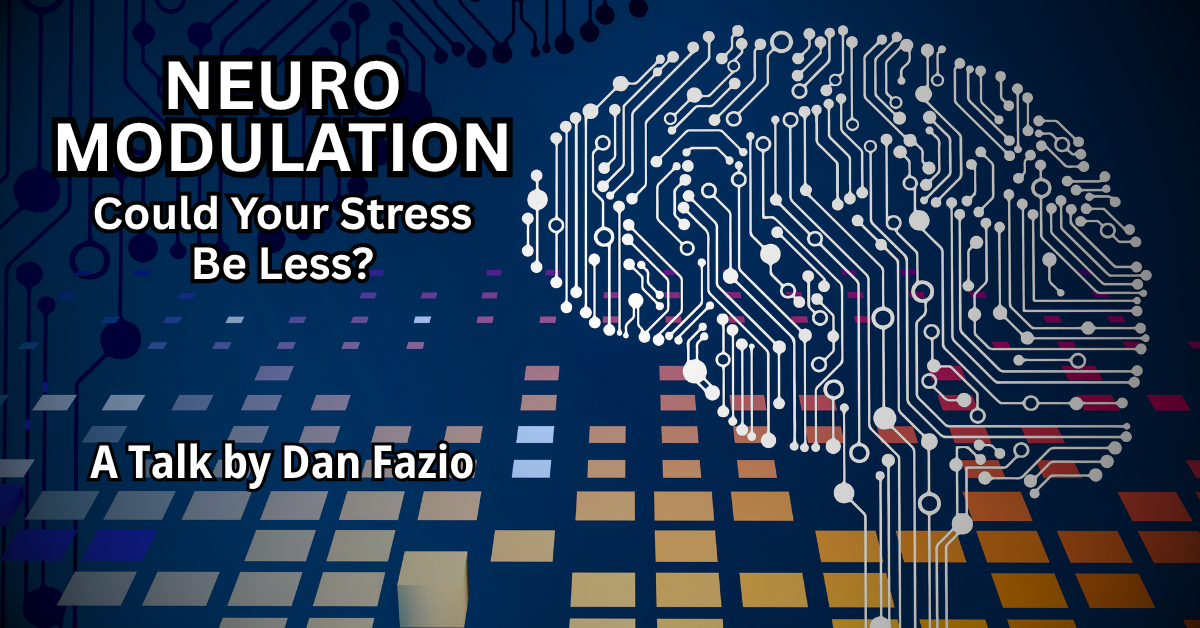
The field of neuroscience is evolving rapidly, and one of the most exciting developments is neuromodulation—a collection of technologies designed to influence brain activity using electrical stimulation and targeted sound waves. As research continues to uncover how the brain functions through interconnected networks rather than isolated regions, neuromodulation is emerging as a promising tool for improving cognitive performance, mental health, and neurological recovery.
Understanding the Brain’s Functional Networks
For decades, scientists viewed the brain primarily through the lens of anatomy, associating specific functions with specific regions. Modern neuroscience, however, has revealed that the brain operates through dynamic networks working together to create our thoughts, behaviors, and emotions.
Three of the most important networks include:
The Default Mode Network (DMN): Associated with creativity, imagination, self-reflection, and daydreaming.
The Executive Function Network: Responsible for focus, decision-making, planning, and task execution.
The Salience Network: Acts as the brain’s switchboard, helping us transition between creative thinking and focused action.
The ability to move efficiently between these networks plays a major role in productivity, learning, and overall cognitive performance.
What Is Neuromodulation?
Neuromodulation refers to techniques that alter brain activity by delivering targeted electrical or acoustic stimulation. These technologies are designed to encourage healthier brain function, improve communication between neural networks, and activate the body’s natural healing mechanisms.
Several forms of neuromodulation are gaining attention:
Transcranial Direct Current Stimulation (tDCS)
This non-invasive approach uses low-level electrical currents delivered through electrodes placed on the scalp. By stimulating specific brain regions, tDCS may enhance focus, mood regulation, and cognitive performance.
Vagus Nerve Stimulation (VNS)
The vagus nerve plays a critical role in regulating stress responses, digestion, immune function, and relaxation. Stimulating this nerve can promote a calmer nervous system and may help reduce symptoms related to anxiety, depression, and chronic stress.
Transcranial Pulse Stimulation (TPS)
One of the most promising innovations in the field, TPS uses precisely calibrated sound waves to stimulate targeted brain regions. Unlike traditional shockwave therapies used for muscles and joints, TPS is specifically designed for delicate neural tissue.
Researchers are exploring its applications for conditions such as:
* Parkinson’s disease
* Alzheimer’s disease
* Cognitive decline
* Stroke rehabilitation
* Chronic pain
* Depression
* ADHD
* OCD
* Migraine disorders
The Role of Neuroplasticity
A major reason neuromodulation has generated so much excitement is its connection to neuroplasticity—the brain’s ability to reorganize and adapt throughout life.
Scientists once believed damaged neurons could not recover. Today, growing evidence suggests the brain can form new connections, recruit alternative pathways, and improve functionality through targeted stimulation and rehabilitation strategies.
Neuromodulation seeks to accelerate and support these natural adaptive processes.
Personalized Brain Treatment Through Mapping Technology
Modern neuromodulation often begins with brain mapping technologies such as EEG (electroencephalography), which measures electrical activity across different regions of the brain.
These assessments help practitioners identify areas of overactivity or underactivity and create personalized treatment plans tailored to an individual’s unique neurological profile.
This precision-based approach moves away from one-size-fits-all treatment models and toward personalized brain optimization.
Benefits and Challenges
Neuromodulation offers several compelling advantages:
* Non-invasive treatment options
* Targeted intervention with fewer systemic side effects
* Potential reduction in medication dependence
* Support for neurological recovery and cognitive enhancement
* Personalized treatment protocols
However, the following challenges remain:
* Regulatory approval processes can be lengthy
* Not every patient responds the same way
* Some devices remain costly
Additional research is still needed for certain applications
Looking Ahead
The future of neuromodulation appears remarkably promising. Advances in brain mapping, real-time feedback systems, and non-invasive stimulation technologies are paving the way for more precise and effective treatments.
As research continues to validate these approaches, neuromodulation may become a cornerstone of neurological care, helping individuals improve cognitive function, recover from neurological disorders, and optimize overall brain health.
The convergence of neuroscience, technology, and personalized medicine is opening new possibilities for treating conditions that were once considered difficult—or even impossible—to address. Neuromodulation represents not only a new treatment category but a new way of understanding and supporting the brain’s extraordinary capacity for adaptation and healing.
Check out the full 16 minute presentation here: Neuromodulation: Could my stress be less? – YouTube
Dan Fazio
Aequa Health and Wellness
danielfaziodc@gmail.com
636-227-4442 (Business)
314-249-9978 (Mobile)
#Neuromodulation, #Neuroscience, #BrainHealth, #Neuroplasticity, #CognitiveHealth, #BrainStimulation, #ParkinsonsAwareness, #AlzheimersResearch, #alzheimerstherapy, #MentalHealthInnovation, #EEG, #VagusNerve, #BrainOptimization, #BrainMapping, #parkinsonstreatment, #HealthcareTechnology, #MedicalInnovation, #FutureOfMedicine, #VagusNerveStimulation, #NeurologicalHealth, #MentalHealthTech, #ParkinsonsResearch, #AlzheimersAwareness